Innovative Neoprene Solutions for Tubing and HVAC Connections
The Role of Neoprene in HVAC Systems
Understanding Neoprene: Properties and Benefits
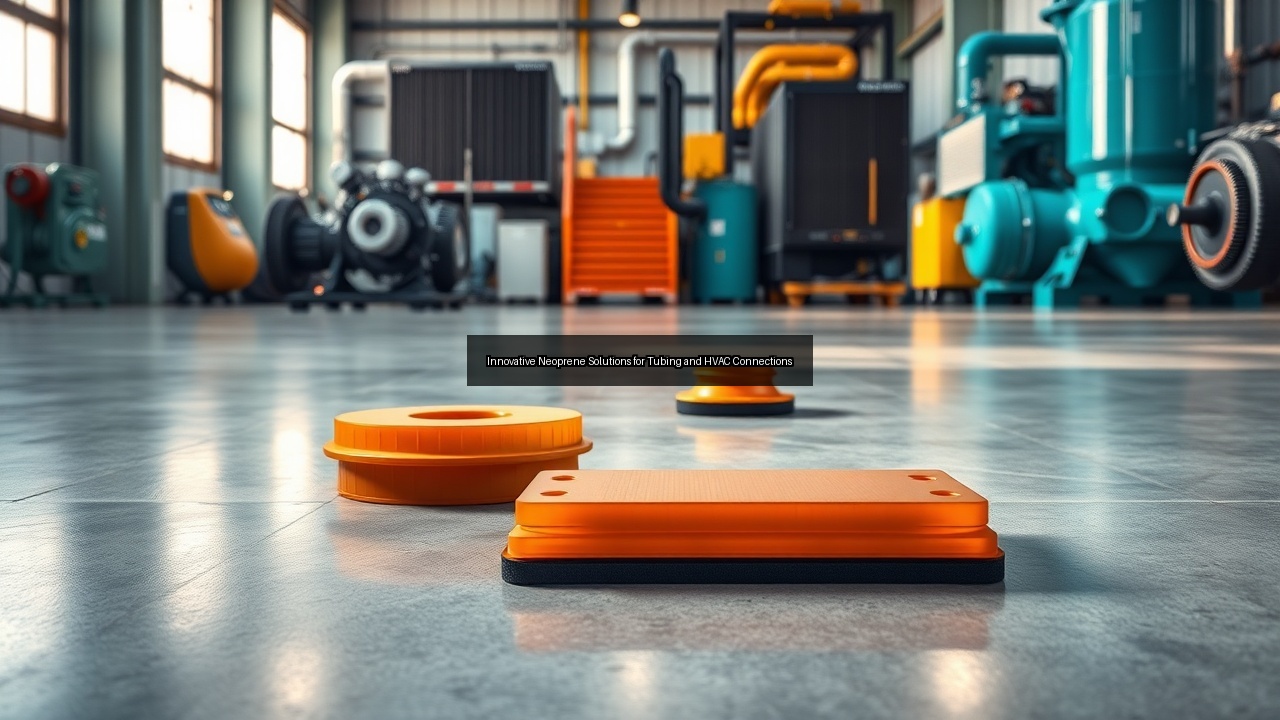
Neoprene stands out as a versatile elastomeric material widely used in HVAC systems. Its unique properties, such as excellent resistance to heat, ozone, and weathering, make it an ideal choice for various applications. Neoprene boasts remarkable flexibility, allowing it to withstand significant shear and tensile forces without compromising its structural integrity. This characteristic is crucial in environments with fluctuating temperatures and mechanical stress. The inherent damping qualities of neoprene also offer significant vibration isolation, which is vital for reducing noise and enhancing hvac neoprene mounts overall system efficiency. Whether used in mounts or pads, neoprene provides a long-lasting solution that maintains performance under stress, making it a preferred choice in HVAC installations.
How Neoprene Mounts Enhance HVAC Performance
HVAC neoprene mounts play a critical role in optimizing system performance. These mounts reduce vibrations generated by compressors and other moving parts, ensuring minimal disruption to the surrounding environment. By effectively isolating vibrations, neoprene mounts extend the operational lifespan of HVAC components, such as compressors and clutches, that often operate at high RPM. This vibration isolation not only prevents wear and tear on gears and other mechanical parts but also enhances comfort levels in residential and commercial spaces. Additionally, neoprene mounts can contribute to energy efficiency by allowing HVAC systems to run more smoothly, ultimately leading to reduced operational costs. Their durability and reliability make them a smart investment for any HVAC installation.
Comparative Analysis: Neoprene vs. Alternative Materials
When comparing neoprene to alternative materials such as rubber or polyurethane, neoprene consistently demonstrates superior performance, especially in HVAC applications. While rubber can degrade over time due to exposure to heat and ozone, neoprene maintains its integrity and performance longer. Polyurethane, although strong, tends to be less flexible, potentially leading to failures under dynamic loads. Neoprene’s ability to absorb shocks and vibrations makes it a more effective vibration isolator than its counterparts. Additionally, neoprene offers better chemical resistance, ensuring longevity even in harsh operating conditions. Overall, choosing neoprene over other materials for HVAC mounts and pads results in enhanced reliability, efficiency, and sustainability.
Innovative Applications of Neoprene in Tubing and Connections
Neoprene Mounts for Compressors: Enhancing Efficiency
Neoprene mounts serve as a crucial component in the mounting of compressors within HVAC systems. These mounts effectively dampen vibrations produced by the compressor during operation, which can significantly impact the overall efficiency of the system. By reducing the transmission of vibrations to the surrounding structure, neoprene mounts minimize noise pollution and enhance comfort for occupants in nearby rooms. Furthermore, the enhanced vibration isolation leads to less wear on internal components, resulting in fewer maintenance requirements and extending the lifespan of the compressor. This efficiency is particularly important for commercial systems where downtime can lead to substantial financial loss. Neoprene mounts thus play an integral role in optimizing the performance of HVAC compressors.
Utilizing Neoprene in Tubing: Solutions for Trucks and Trailers
Neoprene is not limited to HVAC systems; it also finds extensive applications in tubing solutions for trucks and trailers. Neoprene tubing provides excellent resistance to extreme temperatures and chemicals, making it an ideal choice for various automotive applications. Its flexibility allows it to withstand the rigors of frequent movement and vibration encountered during transport. Neoprene's robust properties ensure that it maintains its shape and performance, whether used in fuel lines or coolant hoses. Moreover, the lightweight nature of neoprene contributes to overall vehicle efficiency by minimizing excess weight. By integrating neoprene tubing into trucks and trailers, manufacturers enhance durability and reliability while meeting the demands of modern transportation.
Self-Adhesive Neoprene Solutions for Quick Mounting
Self-adhesive neoprene solutions offer a convenient and efficient method for mounting various components in HVAC systems and other applications. These products simplify the installation process, eliminating the need for additional adhesives or fasteners. The strong adhesive backing ensures a secure bond to surfaces, allowing for quick and easy mounting of neoprene pads and mounts. This feature is particularly beneficial in situations where time is of the essence or where access to traditional mounting hardware is limited. Additionally, self-adhesive neoprene solutions provide effective vibration isolation, further enhancing the performance of HVAC systems. The ease of installation and reliable performance make self-adhesive neoprene a preferred choice for many HVAC professionals.
Sustainability and Future Trends in Neoprene Technology
Elastomeric Solutions for a Greener Future
The shift towards sustainability in manufacturing processes has led to innovations in neoprene technology. Manufacturers are increasingly focusing on developing eco-friendly neoprene formulations that reduce environmental impact without compromising performance. These elastomeric solutions aim to minimize the carbon footprint associated with neoprene production while maintaining the material's excellent properties. By investing in sustainable practices, companies not only contribute to a greener future but also meet the growing consumer demand for environmentally friendly products. The continuous evolution of neoprene technology will likely lead to even more sustainable solutions, reinforcing its position as a key material in HVAC and automotive applications.
The Impact of Vibration Isolation on HVAC Longevity
Effective vibration isolation significantly contributes to the longevity of HVAC systems. By incorporating neoprene mounts and pads, systems experience reduced wear on critical components such as compressors, clutches, and belt drives. This isolation mitigates the transfer of vibrations, preventing damage that can occur over time due to repetitive stress. Studies show that HVAC systems with proper vibration isolation can last significantly longer than those without. This longevity not only translates to lower maintenance costs but also enhances energy efficiency, as systems operate more smoothly and require less energy to function. Investing in neoprene-based solutions is a proactive step towards extending the lifespan of HVAC equipment.
Innovations in Neoprene for Enhanced Sustainability
Recent innovations in neoprene technology focus on enhancing sustainability while improving performance. Manufacturers are exploring bio-based neoprene alternatives derived from renewable resources, which can significantly reduce reliance on petroleum-based materials. Additionally, advancements in recycling processes allow for the repurposing of neoprene waste, contributing to a circular economy. These innovations demonstrate a commitment to sustainability while maintaining the high-performance characteristics that make neoprene an ideal choice for HVAC systems and other applications. As the demand for sustainable materials increases, the neoprene industry is poised to adapt and evolve, ensuring its relevance in a changing market landscape.
Installation and Maintenance of Neoprene Mounts
Best Practices for Mounting Neoprene in HVAC Systems
Proper installation of neoprene mounts is crucial for maximizing their effectiveness in HVAC systems. Begin by ensuring that all surfaces are clean and free of debris before applying the neoprene mounts. This helps achieve a strong bond and optimal isolation. When mounting neoprene pads, be mindful of the weight and size of the equipment being supported to select the appropriate mount type. Position mounts strategically to ensure even weight distribution and consider potential movement or vibration during operation. Follow manufacturer guidelines for installation to avoid common pitfalls, such as misalignment, which can reduce the effectiveness of vibration isolation. A thorough understanding of these best practices enhances the performance and longevity of HVAC systems.
Troubleshooting Common Issues with Neoprene Mounts
Even with proper installation, issues may arise with neoprene mounts over time. Common problems include degradation due to environmental factors, such as UV exposure and extreme temperatures. Regular inspections can identify signs of wear, such as cracks or loss of elasticity. If a mount shows signs of deterioration, replacement is necessary to maintain optimal performance. Additionally, ensure that the mounts remain securely fastened and check for misalignment that could affect the system's balance. Addressing these issues promptly prevents further damage and ensures that the HVAC system operates efficiently and quietly.
Maintenance Tips for Long-lasting Neoprene Solutions
Maintaining neoprene mounts and pads is essential for prolonging their lifespan and ensuring ongoing performance in HVAC systems. Regular cleaning with mild soap and water can prevent the buildup of dirt and grime that may cause deterioration. Inspect mounts periodically for signs of wear, such as cracking or hardening, which can indicate the need for replacement. Additionally, monitor the performance of your HVAC system; any unusual vibrations or noise may signal a problem with the mounts. Following manufacturer recommendations for maintenance and replacement schedules is crucial. By prioritizing maintenance, users can achieve optimal performance and reliability from their neoprene solutions.