How to Choose the Right Weld Fitting for High-Pressure Piping Systems
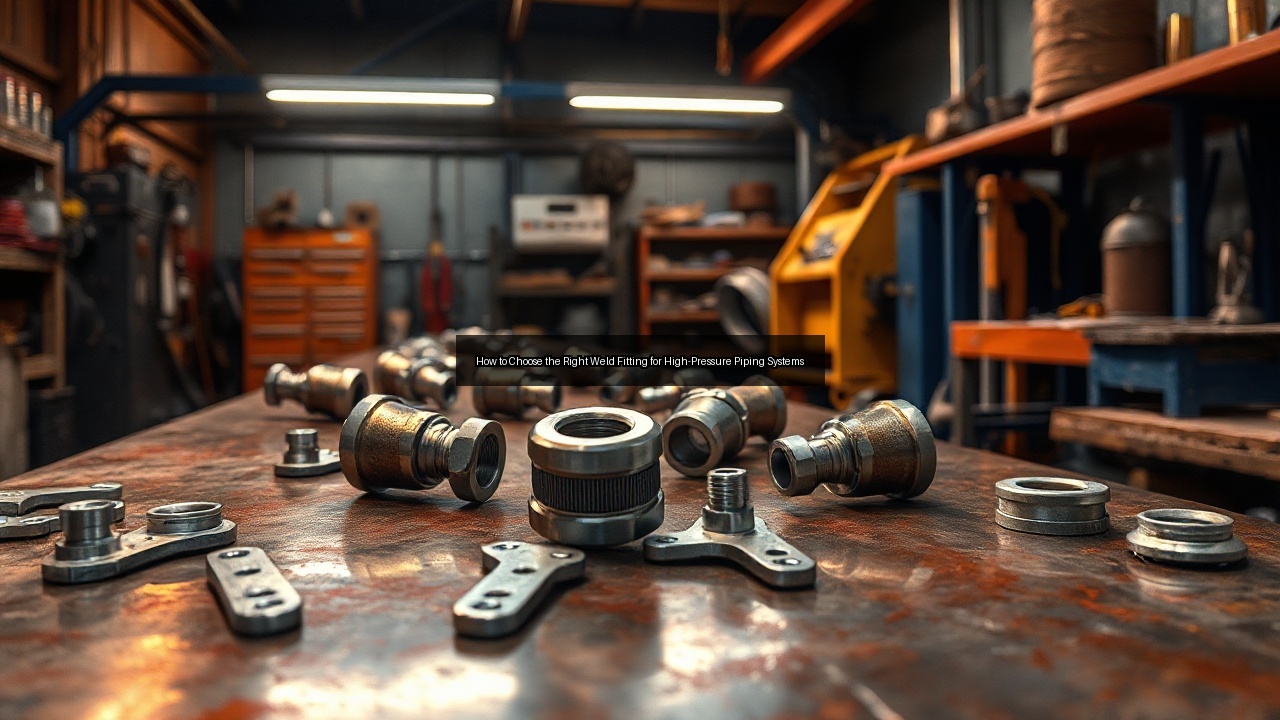
Understanding Weld Fittings
What are Weld Fittings?
Weld fittings serve as crucial components in piping systems, connecting different pipes and tubes through the process of welding. These fittings are designed to create strong, durable joints that can withstand high pressure and temperature variations. The primary function of weld fittings is to ensure a leak-proof connection, which is essential in applications involving gases, liquids, and other materials that require secure transport. For industries such as oil and gas, where safety and reliability are paramount, selecting the right weld fitting can significantly impact the overall integrity of the system.
Types of Weld Fittings
Various types of weld fittings exist to cater to different piping needs. Common types include butt weld fittings, socket weld fittings, and pipe tees. Butt weld fittings connect the ends of two pipes, creating a continuous flow path. Socket weld fittings, on the other hand, involve inserting the pipe into a socket, allowing for a strong joint suitable for high-pressure applications. Pipe tees and reducers help in redirecting flow or changing pipe diameter, making them essential for complex piping layouts. Each type serves specific functions, so understanding their differences is vital for making informed choices.
Importance of Weld Fittings in High-Pressure Systems
High-pressure piping systems require weld fittings that can endure extreme conditions without compromising safety. The integrity of these fittings directly affects the efficiency and reliability of the entire system. In industries like oil and gas, where high-pressure environments are standard, the wrong weld fitting can lead to catastrophic failures, including leaks and bursts. Hence, using high-quality materials and precise manufacturing processes in weld fittings ensures they meet the rigorous demands of high-pressure applications. Proper installation and maintenance further enhance the longevity and performance of these critical components.
Factors to Consider When Choosing Weld Fittings
Pressure Ratings and Temperature Considerations
When selecting weld fittings for high-pressure systems, understanding pressure ratings and temperature tolerances is vital. Each fitting comes with specific pressure ratings that indicate the maximum pressure it can safely handle. Factors such as the type of fluid being transported and the operational temperature significantly influence these ratings. For example, fittings used in oil and gas applications often operate under extreme pressures and fluctuating temperatures, making it essential to choose fittings rated accordingly. Failure to consider these parameters can result in catastrophic failures, leading to costly downtime and safety hazards. Always consult manufacturer specifications to ensure proper selection based on the operating conditions.
Material Selection: Carbon Steel vs. Other Options
Material selection plays a pivotal role in the performance of weld fittings. Carbon steel weld fittings are common due to their strength, durability, and cost-effectiveness. They perform exceptionally well in high-pressure applications, but they may not be suitable for all environments, especially those involving corrosive substances. Alternative materials such as stainless steel, alloy steel, and even plastics may be more appropriate depending on the specific application. Each material comes with its own set of advantages and limitations. For instance, stainless steel offers excellent resistance to corrosion, making it ideal for applications exposed to moisture or chemicals. Assessing the compatibility of the material with the operating environment is crucial for ensuring long-term reliability.
Dimensions and Diameter: Ensuring Proper Fit
Choosing the correct dimensions and diameter for weld fittings is critical to ensuring a proper fit within the piping system. The diameter must match the pipes being connected to avoid flow restrictions or turbulence, which can lead to increased wear and tear. Accurate measurements are essential; even minor discrepancies can result in significant issues down the line. Additionally, understanding the standard dimensions for fittings, such as nominal pipe sizes (NPS) and schedule numbers, helps in selecting the right components. Always verify that the fittings align with the specifications of the piping system to maintain optimal performance and safety.
Types of Weld Fittings for High-Pressure Applications
Butt Weld Fittings: Advantages and Use Cases
Butt weld fittings are a popular choice for high-pressure applications due to their strong, seamless connections. These fittings are welded directly to the pipe ends, creating a continuous structure that minimizes turbulence and pressure drops. Their design allows for high integrity under extreme conditions, making them ideal for industries like oil and gas, where safety and reliability are non-negotiable. Furthermore, butt weld fittings are available in various shapes, including elbows, tees, and reducers, allowing for versatile configurations in complex piping systems. Choosing butt weld fittings can significantly enhance the overall durability and performance of high-pressure pipelines.
Socket Weld Fittings: Features and Benefits
Socket weld fittings provide another robust option for high-pressure applications. In this design, the pipe fits into a socket on the fitting, and a weld is applied around the joint. This configuration allows for a strong connection that can withstand high stress and pressure. Socket weld fittings are particularly advantageous in smaller pipes, where the fitting's design allows for easier installation and inspection. Their compact nature makes them suitable for tight spaces, a common requirement in high-pressure systems. Additionally, socket weld fittings are less likely to warp during the welding process, ensuring a reliable connection when installed properly.
Pipe Tees and Reducers: Connecting and Transitioning Pipes
Pipe tees and reducers play crucial roles in connecting and transitioning pipes within high-pressure systems. Pipe tees allow for the branching of flow, enabling the distribution of fluids to multiple directions without losing pressure. Conversely, reducers facilitate changes in pipe diameter, accommodating different flow requirements while maintaining system integrity. Both fittings are essential in designing efficient piping layouts that can withstand high pressure and temperature fluctuations. Proper selection of these fittings is vital to ensure that they meet the necessary specifications for pressure ratings and material compatibility.
Cost Considerations and Best Practices
Evaluating Cost vs. Performance
Cost considerations are always a factor when selecting weld fittings. While it may be tempting to opt for cheaper options, quality should never be compromised, especially in high-pressure applications. Investing in reliable weld fittings can yield long-term savings by reducing maintenance costs and preventing failures that could result in downtime. Evaluate the performance characteristics of different fittings against their costs to find a balance that meets both budgetary constraints and operational needs. Remember, the cheapest option may not provide the necessary durability and reliability required in high-pressure systems.
Welding Techniques and Their Impact on Durability
The welding technique used to install weld fittings significantly impacts their durability and performance. Proper welding methods, such as TIG (Tungsten Inert Gas) and MIG (Metal Inert Gas), ensure strong, consistent welds that can withstand high pressures. Inadequate welding can lead to weak joints that may fail under operational stress. Training welders in the best practices for high-pressure welding helps maintain the integrity of the entire piping system. Regular inspections and quality control measures further ensure that welds remain secure and functional over time.
Maintenance Tips for High-Pressure Piping Systems
Maintaining high-pressure piping systems requires vigilance and proactive measures. Regular inspections of weld fittings, pipes, and joints help identify early signs of wear or damage. Performing pressure tests can also determine the integrity of the system and highlight any potential leaks. Keep fittings clean and free from corrosion by applying protective coatings where necessary. Implementing a scheduled maintenance plan that includes checking for leaks, assessing the condition of welds, and replacing worn fittings will significantly extend the life of the piping system and enhance its overall performance.